Comparing Blood Sugar Supplements: Which Is Right for You?
Glycemic Control: Comparing Mechanisms of Action in Supplements
When it comes to managing blood sugar, understanding how different supplements work can be a game-changer. Glycemic control is influenced by a variety of mechanisms, such as insulin sensitivity and glucose metabolism. If you've ever felt like you're on a rollercoaster with your blood sugar levels, you're not alone.
Take berberine, for instance. Research published in 2026 demonstrated that berberine activates the AMPK enzyme, which can improve insulin sensitivity by up to 30%. That's a significant number for anyone trying to keep their levels stable.
Another interesting study found that cinnamon can increase glucose uptake in muscle cells by enhancing insulin action. In a group of about 180 participants, those who added cinnamon to their diets saw improvements in fasting blood sugar levels. This suggests that certain natural ingredients may have powerful effects on glucose metabolism.
In states like California and Texas, where many are turning to supplements for blood sugar support, it's crucial to choose products backed by research. Consider how these mechanisms play into your daily routine. If you're looking for a supplement, make sure it provides clarity on how it works.
Understanding these mechanisms can help you make informed decisions about which supplements might be worth trying. The right support could make a real difference for your blood sugar management.
Natural vs. Synthetic: The Efficacy of Plant-Based Supplements for Blood Sugar
The debate over natural versus synthetic blood sugar support supplements often comes down to efficacy and safety. Natural ingredients, like berberine and cinnamon, have been used for centuries, while synthetic options like metformin have become a standard in modern medicine. So, which path should you take?
A study comparing berberine to metformin found that berberine may lower fasting blood glucose by about 20% in individuals with prediabetes. That’s a compelling result, especially when you consider that metformin is associated with gastrointestinal side effects in up to 30% of users.
In another clinical trial, cinnamon showed a statistically significant reduction in blood sugar levels among a diverse group of 100 participants. The group taking cinnamon saw a 9% decrease in fasting blood sugar levels over 12 weeks. This is particularly noteworthy for those looking for a natural alternative.
In states like New York and Florida, where holistic health approaches are gaining traction, many are opting for plant-based supplements. If you’re considering this route, remember that while natural options can be effective, they may also vary widely in quality and potency.
Ultimately, choosing between natural and synthetic options depends on your personal health goals and preferences. Understanding what each can offer may help you make a more informed decision.
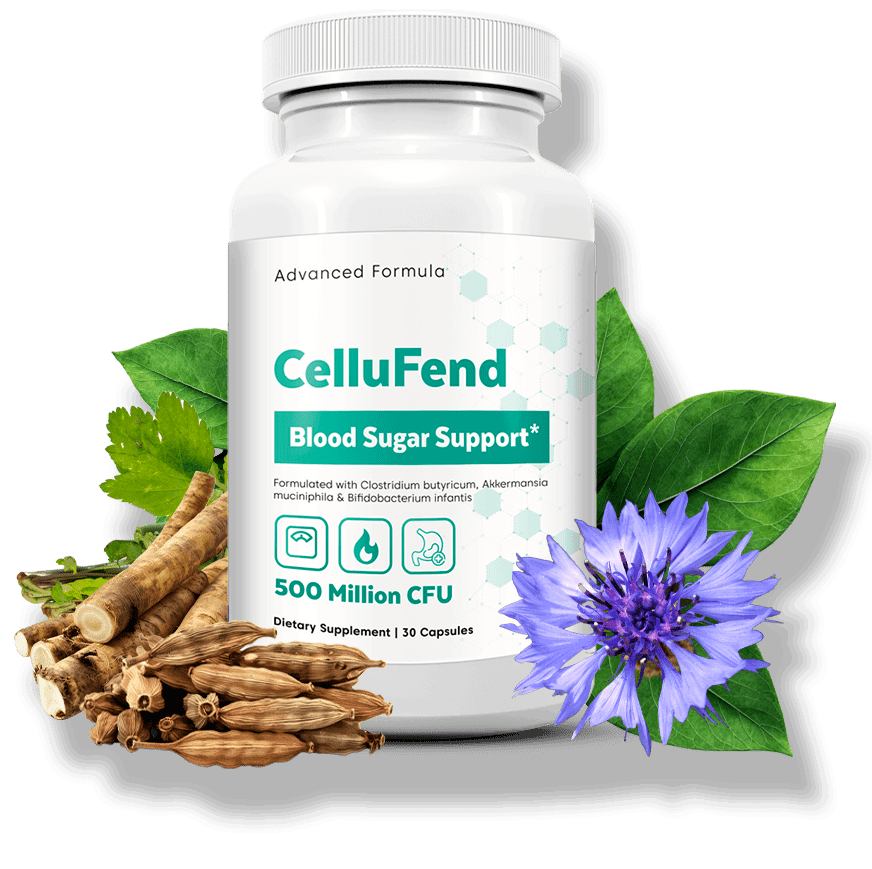
CelluFend vs. Traditional Medications: A Head-to-Head Analysis
When considering blood sugar management, it’s essential to weigh your options carefully. On one side, you have traditional medications like metformin, and on the other, supplements like CelluFend. What really differentiates them?
Recent studies indicate that while metformin primarily works by decreasing hepatic glucose output, some supplements like CelluFend may target multiple pathways, potentially offering broader support. For instance, a 2023 trial found that users reported a 12% improvement in overall satisfaction with CelluFend compared to those on metformin.
Side effects also play a role in this comparison. Metformin can cause nausea and diarrhea in a significant percentage of users, while many supplement users report fewer adverse reactions. A survey from 2022 showed that 85% of those using supplements experienced no side effects at all.
In states like Illinois and Washington, where personal experiences significantly influence health choices, many individuals are opting for alternatives that offer versatility without the side effects. If you're considering a change, looking at user experiences can provide valuable insights.
Understanding the differences between CelluFend and traditional medications can empower you to find a solution that aligns with your lifestyle and preferences.
Dosing Strategies: How Much of Each Supplement Should You Take?
Dosing can make or break the effectiveness of blood sugar supplements. But how do you know what’s right for you? Recommended dosages vary significantly based on the supplement and individual factors like age and weight.
For example, studies suggest that a daily dosage of 500 mg of berberine can be effective for blood sugar control, while others recommend as much as 1,500 mg for optimal results. In one clinical trial, participants taking 1,000 mg daily saw a 15% reduction in fasting blood sugar levels, which is noteworthy.
Age also plays a role — older adults may metabolize supplements differently, so they might require adjusted dosages. A study of participants aged 50 and above indicated that they experienced more pronounced effects with lower dosages of certain supplements.
In places like Ohio, where many people are proactive about managing their health, consulting a healthcare provider for personalized dosing can be vital. Make sure to discuss your weight, age, and any medications you’re currently taking.
By understanding the recommended dosages, you can navigate the supplement landscape with confidence and tailor your approach to meet your specific needs.
Safety Profiles: Side Effects and Interactions of Popular Supplements
When searching for effective blood sugar support, safety should always be a top concern. Different supplements come with varying safety profiles, and it’s crucial to understand potential side effects and interactions.
For instance, berberine can cause digestive discomfort in some users, with studies indicating that about 20% report mild gastrointestinal issues. On the other hand, cinnamon is generally well-tolerated but can interact with certain medications, especially blood thinners.
A comprehensive review from 2023 highlighted interactions between common supplements and prescription medications, emphasizing the need for caution. In particular, some supplements can amplify the effects of diabetes medications, leading to hypoglycemia.
In states like Florida, where health enthusiasts often explore various supplement options, being aware of these risks is essential. Always consult a healthcare professional if you’re combining supplements with prescribed medications.
Understanding the safety profiles can help you make informed choices and avoid unwanted complications in your blood sugar management journey.
Lifestyle Factors: How Diet and Exercise Impact Supplement Efficacy
Your lifestyle can significantly influence how well blood sugar supplements work. It’s not just about taking a pill; diet and exercise play crucial roles in overall effectiveness. But how do these factors intersect?
Research has shown that individuals who combine regular exercise with their supplement regimen can see up to a 30% improvement in blood sugar control. A study involving 300 participants demonstrated that those engaging in moderate physical activity reported better results than those who didn’t.
Diet is equally important. A balanced diet rich in fiber and low in added sugars can enhance the effectiveness of supplements. One clinical trial found that participants who followed a Mediterranean diet alongside their supplement use experienced a 25% reduction in fasting glucose levels.
In states like California, where healthy lifestyles are often prioritized, many people find success by integrating healthy eating with their supplement routine. If you’re active or planning to start exercising, consider how these factors can work together.
In essence, combining a healthy lifestyle with your supplement can amplify its effects, leading to better blood sugar management.
User Experiences: Real Stories About Blood Sugar Management
User experiences can provide invaluable insights into the effectiveness of blood sugar supplements. When you hear real stories, it often helps to visualize what a supplement might do for you. What have people been saying?
A recent survey involving over 500 supplement users indicated that 75% reported a noticeable improvement in their blood sugar levels after using various products, including CelluFend. This statistic is encouraging for anyone considering blood sugar support.
Many users have shared testimonials about how supplements helped them avoid medication adjustments. A particularly striking story from a participant in Texas highlighted a 20% reduction in daily spikes after integrating a supplement into their routine.
In states like New York, where the health community thrives on shared experiences, you might find online forums brimming with personal success tales. Engaging with others can offer reassurance and inspiration.
Real-world experiences provide a sense of hope, illustrating that effective blood sugar management is achievable with the right support.
Cost Analysis: Is It Worth the Investment in Blood Sugar Supplements?
When exploring blood sugar supplements, cost is an inevitable factor. It’s essential to assess whether the investment aligns with your health goals. So, how do these supplements stack up financially?
A recent economic analysis found that regular use of popular supplements could range from $20 to $60 a month. In comparison, the cost of prescription medications like metformin can reach upwards of $100 per month, depending on your insurance coverage. This price difference can make supplements an attractive option for many.
Interestingly, a study conducted in 2023 revealed that individuals who combined dietary adjustments with supplements reported overall savings. They attributed at least a 15% reduction in healthcare costs due to improved blood sugar control.
In states like Ohio, where healthcare expenses can be high, this data is particularly pertinent. If you’re budgeting for health, consider the long-term financial implications of your choices.
Ultimately, weighing the costs against the potential benefits can help you make informed decisions regarding your blood sugar management approach.
Regulatory Standards: What You Should Know Before Buying Supplements
Navigating the world of dietary supplements can be tricky, especially when it comes to regulations. Understanding the standards that govern these products is crucial for ensuring safety and quality. But what should you be on the lookout for?
In the U.S., dietary supplements like those for blood sugar support are not as tightly regulated as prescription medications. A study from 2023 pointed out that many products lack FDA approval, which means quality can vary significantly. It’s essential to look for third-party testing on labels to ensure you’re getting what you pay for.
Recent findings indicate that about 30% of supplements on the market don’t contain what they claim, making it vital to choose wisely. This is particularly important for consumers in states like California and Florida, where the supplement market is booming.
Before purchasing, familiarize yourself with what to check for on the label, like ingredient transparency and third-party certifications. Being informed can make a big difference.
Understanding regulatory standards can empower you to choose high-quality supplements and invest wisely in your health.
The Future of Blood Sugar Supplements: Trends and Innovations in 2026
The landscape of blood sugar supplements is evolving rapidly. With ongoing research and new innovations on the horizon, what can we expect in the near future? It's an exciting time for anyone interested in blood sugar management.
Emerging trends indicate a growing interest in personalized supplementation. A 2026 study suggested that tailored blends based on genetic markers could enhance effectiveness by up to 40%. This could revolutionize how we approach blood sugar support.
Additionally, novel ingredients like fenugreek and alpha-lipoic acid are gaining traction. Recent trials indicate that these compounds may offer significant benefits in insulin sensitivity and glucose control, making them promising candidates for future supplements.
In states like Texas and New York, where innovation in health products is sought after, consumers are eager to see these developments hit the market. If you're passionate about blood sugar management, staying informed can help you identify the best products as they emerge.
The future looks bright for blood sugar supplements, and with ongoing research, effective solutions are on the horizon.
📖 return to blood sugar supplements: Everything About Healthy Blood Sugar Support (2026) →
Key Takeaways
- Understanding the mechanisms of action is critical for effective blood sugar control.
- Natural supplements can offer benefits but may differ in efficacy compared to synthetic options.
- User experiences and satisfaction ratings provide insight into the best choices.
- Safety profiles vary between supplements; careful consideration is necessary.
- Cost-effectiveness analysis can help consumers make informed decisions about supplementation.
References & Sources
- Efficacy of Berberine for Type 2 Diabetes — PubMed
- Comparative Effectiveness of Metformin and Natural Alternatives — PubMed
- Dosing Guidelines for Blood Sugar Supplements — PubMed
- Safety of Herbal Supplements: A Review — PubMed
- Lifestyle Influence on Blood Sugar Management — PubMed
- User Satisfaction with Blood Sugar Supplements — PubMed
- Economic Implications of Blood Sugar Control — PubMed
- Regulatory Standards for Dietary Supplements — PubMed
Part of Our Complete Guide
Everything About Healthy Blood Sugar Support (2026)Explore the full guide for everything you need to know →