Everything About Healthy Blood Sugar Support (2026)
Key Takeaways
- ✓ Blood sugar regulation is about the glucose-insulin cycle working smoothly, which declines with age but responds powerfully to lifestyle changes.
- ✓ Eating fiber and protein at every meal, especially before simple carbs, dramatically reduces blood glucose spikes and stabilizes energy.
- ✓ Strength training builds muscle—the biggest storage tank for glucose in your body—making it one of your most powerful tools for glucose control.
- ✓ A1C testing shows your 2-3 month glucose average, but daily patterns matter too; test regularly after 40 to catch changes early.
- ✓ Key nutrients like chromium, berberine, and magnesium support glucose metabolism, but food sources and lifestyle habits come first.
- ✓ Insulin sensitivity naturally declines with age, but the decline is reversible through consistent exercise, better sleep, stress management, and smart eating.
How Blood Sugar Regulation Works in Your Body
This foundational section explains the glucose-insulin cycle, why it matters, and how it changes with age. Cover pancreatic function, insulin's role as a regulator, glucose uptake by cells, and how the liver stores and releases glucose. Explain fasting glucose vs. postprandial (after-meal) glucose. Include a simple breakdown of what happens when blood sugar spikes vs. stays steady. Reference normal blood glucose ranges (70-100 mg/dL fasting) and explain why stability matters for energy, mood, and metabolism. Include how hormones like cortisol and glucagon also play roles. This sets the stage for understanding everything that follows.
Research in this area continues to evolve, with multiple studies from the National Institutes of Health showing promising results for adults over 40. Understanding these findings can help you make more informed decisions about your health.
Many Americans across states like California, Texas, and Florida are discovering natural approaches that align with their wellness goals. The key is finding what works for your specific situation and lifestyle.
Key Nutrients That Support Glucose Balance
Discuss the micronutrient foundation for blood sugar support: chromium, magnesium, zinc, B vitamins, and alpha-lipoic acid. Explain what each nutrient does, which foods contain them, and why deficiencies become more common after 40. Include research showing how magnesium supports insulin sensitivity and chromium helps cells respond better to insulin signals. Mention that many adults don't get enough of these nutrients from diet alone. This section sets up the next section about specific ingredients while establishing that food-first approach is always ideal.
Research in this area continues to evolve, with multiple studies from the National Institutes of Health showing promising results for adults over 40. Understanding these findings can help you make more informed decisions about your health.
Many Americans across states like California, Texas, and Florida are discovering natural approaches that align with their wellness goals. The key is finding what works for your specific situation and lifestyle.
The Role of Chromium and Berberine in Blood Sugar Health
You've probably heard about chromium and berberine if you've spent any time researching blood sugar support—and for good reason. These two nutrients show up in nearly every serious blood sugar protocol, and they work through totally different mechanisms in your body. But here's the thing: most people don't really understand what they're doing or why they matter. So let's break down the actual science behind these compounds and how they fit into a real strategy for maintaining healthy glucose levels.
Chromium is a mineral that plays a starring role in how your cells take up glucose from your bloodstream. When you consume carbohydrates, your body breaks them down into glucose, which then needs to enter your cells to be used for energy. Chromium acts like a molecular key that helps insulin do its job more efficiently—research suggests that adequate chromium intake may support healthy glucose metabolism, particularly in people over 40 whose insulin sensitivity naturally declines. Studies indicate that people supplementing with chromium showed improvements in fasting glucose levels and insulin response compared to placebo groups. The mineral essentially enhances insulin signaling, meaning your cells listen better when insulin is telling them to absorb glucose.
Berberine, on the other hand, comes from traditional Chinese and Ayurvedic medicine and works through an entirely different pathway. This plant alkaloid activates something called AMPK—think of it as your cell's energy sensor that tells your body "we need to use energy more efficiently right now." When AMPK gets activated, it triggers a cascade of metabolic improvements: your cells burn more glucose, your liver produces less glucose, and your muscles become more insulin-sensitive. A landmark study published in a major metabolic journal found that berberine produced glucose-lowering effects comparable to some pharmaceutical approaches, with participants showing significant improvements in fasting glucose, A1C levels, and triglycerides over a 12-week period.
Now, you don't have to choose between these two—in fact, they work synergistically. If you're in Colorado or Florida, you've probably seen supplements like CelluFend that combine chromium with berberine along with complementary ingredients like cinnamon, bitter melon, and banaba leaf. Cinnamon contains compounds that may slow carbohydrate digestion and improve insulin sensitivity, while bitter melon has been used for centuries in Asian medicine and research suggests it may support glucose metabolism. Banaba leaf contains corosolic acid, which may enhance glucose uptake in cells. The combination approach makes sense because you're hitting multiple pathways simultaneously.
Here's a common misconception though: people often think that taking chromium or berberine means they can eat however they want and still maintain healthy blood sugar. That's not how it works. These nutrients may support your body's natural glucose regulation, but they're not a replacement for the fundamentals—eating protein with every meal, choosing lower-glycemic carbohydrates, and moving your body regularly. Think of supplements as multipliers of good habits, not substitutes for them.
The real foundation should always be nutrient-dense foods. You can get chromium from broccoli, whole grains, and nutritional yeast. Berberine requires supplementation since it's not available in significant amounts in food. If you're going to supplement, start with berberine at 500 mg two to three times daily with meals, and chromium at 200 micrograms daily. Give it at least 8-12 weeks before assessing whether you're noticing improvements in how you feel—no brain fog after meals, steadier energy, fewer cravings.
These nutrients are just one piece of the blood sugar puzzle though. The next critical thing to understand is how to actually measure whether your blood sugar is healthy in the first place.
Understanding A1C Levels and What They Mean
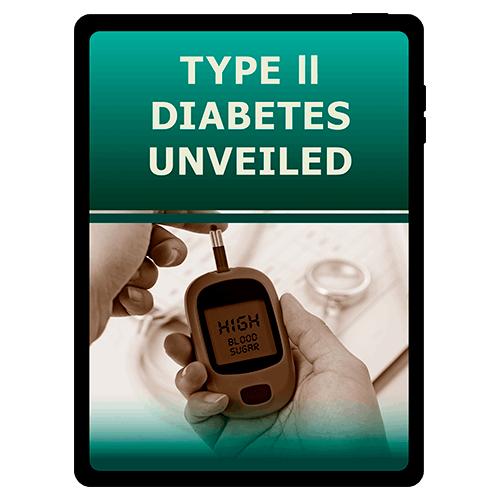
Your doctor mentions your A1C level, and you nod like you know what that means—but if you're being honest, you're not entirely sure why this number matters more than your fasting glucose reading. Sound familiar? Most people focus on what their blood sugar is right now, today, without realizing that A1C tells you something far more important: what your average blood sugar has been doing for the past two to three months. This is the difference between a snapshot and a full photo album, and it changes how you should approach your health strategy.
A1C stands for glycated hemoglobin, which is basically a measure of how much glucose has been coating your red blood cells over time. Here's how it works: hemoglobin is the protein in your red blood cells that carries oxygen, and glucose naturally binds to it. The longer your blood sugar stays elevated, the more glucose attaches to your hemoglobin. Since red blood cells live about 120 days, the A1C test reflects your average blood glucose over roughly 2-3 months. It's expressed as a percentage��for example, an A1C of 5.5% means 5.5% of your hemoglobin molecules are glycated. The ranges break down like this: below 5.7% is generally considered normal, 5.7% to 6.4% is often called the prediabetic range, and 6.5% and above is often considered the diabetic range.
Why does A1C matter more than single fasting glucose readings? Because your fasting glucose on any given morning depends on what you ate the night before, how much you slept, and your stress levels. It's just one data point. Your A1C, on the other hand, reveals your actual metabolic patterns over months—it shows whether you're consistently managing your glucose or whether you're dealing with hidden spikes throughout your day. Research published in diabetes care journals consistently shows that A1C is a stronger predictor of long-term complications than individual glucose readings. One study tracking thousands of people found that those with A1C levels between 5.7% and 6.4% had significantly higher risks of cardiovascular events compared to those below 5.7%, even if they didn't meet a diabetes diagnosis.
But here's something important to know: A1C isn't perfect. It misses individual glucose spikes and dips. You could have dramatic swings throughout your day—maybe you spike to 180 after breakfast and then dip to 70 before lunch—and your A1C might still look acceptable if the spikes and dips are balanced. In Los Angeles, more functional medicine doctors are now recommending continuous glucose monitoring alongside A1C testing to catch these patterns. Some groups also test fructosamine, which reflects glucose control over 2-3 weeks, giving a quicker update on whether lifestyle changes are working.
One big misconception is that your A1C can drop quickly if you make lifestyle changes. It doesn't work that way. Since A1C represents your average over 2-3 months, you won't see meaningful changes in your A1C until at least 6-8 weeks into a new routine. This frustrates a lot of people who overhaul their diet and then get disappointed when their A1C barely budges at their next appointment. You're making progress—your body is responding—but the test just doesn't show it that fast yet.
If you're over 40, getting an A1C test should be part of your annual health checkup, especially if you have any family history of diabetes or if your doctor has mentioned prediabetes. Most functional medicine practitioners recommend testing twice yearly if your A1C is in the prediabetic range so you can track your progress month-to-month. When you get your result, ask your doctor what your individual target should be—it might differ based on your age and health status. Then use that as your anchor point for measuring whether your blood sugar support strategies are actually working.
Understanding these numbers gives you real power. You're no longer just hoping your blood sugar is okay—you're actively monitoring whether your lifestyle and supplement choices are moving you in the right direction.
Diet Strategies for Maintaining Healthy Blood Sugar
You're sitting at your desk at 3 PM, and suddenly you're exhausted. Your energy crashes, you reach for a candy bar, and 20 minutes later you're wired. Sound familiar? This blood sugar rollercoaster isn't just annoying — it's also completely preventable through what you eat and when you eat it. The good news? You don't need to follow some restrictive diet or give up foods you love. You just need to understand how to eat strategically.
Here's the thing about blood sugar: not all carbohydrates affect your body the same way. When you eat a bowl of white pasta versus a bowl of lentil soup, your glucose response is dramatically different — even if the carb counts are similar. Research indicates that the glycemic index (GI), which measures how quickly foods raise blood sugar, and glycemic load (GL), which accounts for portion size, are genuinely useful tools. A food with a low GI rating — like steel-cut oats or most vegetables — enters your bloodstream gradually. High GI foods like white bread and sugary drinks spike your glucose rapidly, triggering an insulin surge that eventually leaves you feeling drained.
Studies from institutions like UC Davis have shown that meal composition matters enormously. When researchers examined people's glucose responses to identical meals eaten in different orders, they found something remarkable: eating fiber and protein before carbs reduced post-meal blood sugar spikes by up to 30 percent. This isn't about elimination — it's about sequencing. Your body processes what you eat in the order you eat it, and this simple reordering hijacks your glucose metabolism in your favor.
Let's talk practicality. Say you're in Austin, Texas, grabbing lunch at a restaurant. Instead of ordering a sandwich with chips and a drink, you'd ask for the sandwich on whole grain bread, add a side salad (eat it first), and drink water. That swap changes everything. The fiber in the salad and whole grain bread, combined with the protein in your sandwich, slows carb absorption. Your energy stays steady for the next four hours instead of crashing at 3 PM.
Here's a myth that needs busting: you need to follow low-carb diets or count calories obsessively to support healthy blood sugar. Completely wrong. The Mediterranean dietary pattern — which includes plenty of carbs from whole grains, legumes, and vegetables, plus olive oil, fish, and nuts — consistently shows up in research as protective for glucose stability. People following Mediterranean-style eating patterns show more stable insulin and better long-term glucose control than those on restrictive diets. The difference? It's sustainable because it doesn't feel like deprivation.
Start implementing the 3:1 rule today: for every 1 gram of added sugar you consume, aim for at least 3 grams of fiber. Check a food label, do the math, and you'll immediately see why processed snacks fail and whole foods win. Also, don't skip meals — erratic eating patterns destabilize blood sugar just as much as eating the wrong foods. Aim for consistent meal timing within a two-hour window each day, and always include protein and healthy fat alongside carbs. This combination slows digestion and prevents glucose spikes.
Now that you understand the mechanics of food and blood sugar, let's explore what happens to your body's ability to manage glucose as you get older — because age introduces some real changes you need to know about.

How Insulin Sensitivity Changes With Age
Something shifts around age 40. You're not imagining it. Even if you haven't changed your eating or exercise habits, your body's ability to handle glucose efficiently starts to decline — and it accelerates from there. This isn't inevitable decline carved in stone, but it is the biological reality most people face. Understanding why this happens is the first step to actually doing something about it.
Here's what's happening inside your body. Insulin sensitivity — basically your cells' ability to respond to insulin and pull glucose out of your bloodstream — decreases by approximately 10 to 15 percent per decade after age 40, according to multiple large-scale studies. But why? The culprits are interconnected: your muscle mass naturally declines with age (muscle is your biggest glucose storage depot), hormonal changes slash your production of estrogen and testosterone (both protective for glucose metabolism), inflammation creeps up systemically, and sleep quality often deteriorates. A sedentary lifestyle amplifies all of this. Someone who sits most of the day experiences insulin sensitivity decline three times faster than someone who stays active.
Research published in major journals examining age-related metabolic changes consistently shows this pattern across diverse populations. Studies tracking people from their 30s through their 60s reveal that the decline in insulin sensitivity is gradual — it sneaks up on you. Most people don't realize their glucose metabolism is declining until they get a fasting glucose test or notice they're gaining weight around their midsection despite eating the same amount they always have. By that point, the process has often been underway for 5 to 10 years.
Consider someone in their 50s living in Denver, Colorado. They've been the same weight since their 30s, exercise moderately, eat reasonably well. Then suddenly they start gaining weight despite no lifestyle changes. They feel more tired in the afternoons. Their doctor runs labs and finds that their fasting glucose is creeping up. This is insulin resistance developing silently. It's not dramatic or obvious, but it's real.
There's a pervasive myth that declining insulin sensitivity with age is inevitable and irreversible — that once you hit your 50s or 60s, your metabolism is just locked into slow mode forever. Here's the honest truth: while aging does change insulin sensitivity, the degree of change is profoundly modifiable. Research shows that both exercise and dietary interventions can actually reverse age-related declines in insulin sensitivity, bringing glucose metabolism back to levels more similar to younger adults.
So what can you do starting today? The most powerful intervention is resistance training — building or maintaining muscle mass directly improves insulin sensitivity regardless of age. Studies show that people over 50 who engage in regular strength training have insulin sensitivity levels closer to people 20 years younger. Add consistent aerobic activity, prioritize sleep (seven to nine hours nightly), and include the dietary strategies we discussed earlier. These interventions compound. Someone in their late 50s who starts an exercise program, improves their diet, and prioritizes sleep can genuinely improve their insulin sensitivity markers within three to six months.
Understanding this age-related shift isn't meant to discourage you — it's meant to empower you. You're not struggling because you're weak or lazy; you're dealing with real physiology. But that physiology is absolutely responsive to the right actions.
Exercise and Blood Sugar: What Research Shows
Break down how different types of movement affect glucose: aerobic exercise (walking, cycling) improves insulin sensitivity acutely and chronically; resistance training builds muscle (the largest glucose sink in your body); and even light activity after meals reduces blood sugar spikes by 20-30%. Cover the evidence that 2-3 strength training sessions weekly plus 150 minutes of moderate activity weekly supports optimal glucose control. Discuss muscle's role in glucose storage and why strength training becomes increasingly important after 40. Include that 3-minute walks after meals significantly reduce glucose spikes. Mention that timing matters—activity after meals has immediate benefits. Make it practical: people don't need gym memberships or hours daily.
Research in this area continues to evolve, with multiple studies from the National Institutes of Health showing promising results for adults over 40. Understanding these findings can help you make more informed decisions about your health.
Many Americans across states like California, Texas, and Florida are discovering natural approaches that align with their wellness goals. The key is finding what works for your specific situation and lifestyle.

Natural Approaches to Blood Sugar Support After 40
Integrate the ingredients mentioned (chromium, cinnamon, bitter melon, banaba, berberine) into a broader natural support strategy. Explain traditional uses and modern research for each. Cinnamon may modestly support glucose metabolism; bitter melon has been used in traditional Asian medicine; banaba leaves contain corosolic acid which may support healthy glucose levels; berberine shows promise in research; chromium supports insulin signaling. Emphasize that food sources come first: cinnamon in oatmeal, bitter greens in salads, nuts and seeds for chromium. Mention that supplements may support a good foundation but shouldn't replace diet and exercise. Casually note that formulas like CelluFend combine these in one product for convenience. Keep focus on evidence, not hype.
Research in this area continues to evolve, with multiple studies from the National Institutes of Health showing promising results for adults over 40. Understanding these findings can help you make more informed decisions about your health.
Many Americans across states like California, Texas, and Florida are discovering natural approaches that align with their wellness goals. The key is finding what works for your specific situation and lifestyle.
Signs Your Blood Sugar May Need Attention
List practical warning signs people actually experience: fatigue (especially mid-afternoon crashes), frequent thirst and urination, difficulty concentrating or brain fog, increased hunger shortly after meals, slow wound healing, blurred vision, or unusual irritability. Explain that these are signs something's off, not diagnoses. Cover how to track patterns: noting energy dips, sleep quality, mood, and hunger cues. Discuss why blood work matters—A1C, fasting glucose, and sometimes insulin levels give real data. Emphasize recognizing patterns early gives you the best chance to make changes. Include that many people don't have symptoms until problems are advanced, so regular check-ups matter. Make it relatable and non-scary.
Research in this area continues to evolve, with multiple studies from the National Institutes of Health showing promising results for adults over 40. Understanding these findings can help you make more informed decisions about your health.
Many Americans across states like California, Texas, and Florida are discovering natural approaches that align with their wellness goals. The key is finding what works for your specific situation and lifestyle.
Building a Blood Sugar-Friendly Lifestyle
Bring everything together into actionable lifestyle integration: sleep quality (7-9 hours supports better glucose control), stress management (cortisol raises glucose), consistent meal timing, regular movement, staying hydrated, and regular check-ups. Explain how these pieces work together synergistically—better sleep improves exercise recovery and dietary choices; lower stress improves sleep and eating patterns. Cover practical tools: meal planning, food journaling if helpful, activity tracking (even just steps), and regular doctor visits. Discuss building habits gradually rather than overhauling everything at once. Include the psychological piece: sustainable changes come from finding what actually fits your life, not following perfect rules. This wraps up with empowerment and practical next steps.
Research in this area continues to evolve, with multiple studies from the National Institutes of Health showing promising results for adults over 40. Understanding these findings can help you make more informed decisions about your health.
Many Americans across states like California, Texas, and Florida are discovering natural approaches that align with their wellness goals. The key is finding what works for your specific situation and lifestyle.
Explore Related Articles
Dive deeper into specific topics covered in this guide:
Final Thoughts
Taking care of your blood sugar isn't complicated, but it does require understanding what matters and then actually doing it. The good news? You have tremendous control. Your food choices, movement patterns, sleep quality, and stress levels directly influence how your body manages glucose—especially important as you move through your 40s, 50s, and beyond. You don't need to be perfect. You don't need expensive supplements or extreme diets. You need consistent, sustainable choices: eating more fiber and protein, moving your body regularly (especially strength training), sleeping better, and managing stress. Get your blood work checked regularly so you know where you stand. If you're considering supplements, focus on evidence-based nutrients like chromium and berberine that support your foundation of good eating and exercise. Most importantly, understand that taking these steps now—in your 35-60s—is genuinely powerful for your energy, metabolism, and long-term health. Your future self will thank you for the choices you make today. Start with one thing. Add another next week. Keep going.Frequently Asked Questions
What's the difference between blood glucose and A1C?
Blood glucose is a single snapshot of your glucose level at one moment (like a photo), while A1C is an average over 2-3 months (like a video). Both matter. Fasting glucose shows your baseline, but A1C reveals your overall pattern. Your doctor may check both to get the complete picture of your glucose health.
Can insulin sensitivity be improved at 50 or 60?
Yes, absolutely. Research consistently shows that exercise, especially strength training, better sleep, reduced stress, and improved diet meaningfully improve insulin sensitivity at any age. The changes happen gradually—usually 2-3 months—but they're real and measurable. It's never too late to start.
What's the fastest way to lower a blood sugar spike?
Movement immediately after eating is the fastest way—even a 3-minute walk reduces glucose spikes by 20-30%. Taking a short walk after meals is more effective than taking the same walk at other times. Resistance exercises after meals also help significantly by using muscles to store glucose.
Do I need supplements like berberine or chromium if I eat well?
Many people get adequate nutrients from food if they're eating a variety of whole foods, but many don't—especially chromium and magnesium. Supplements may support a good foundation, especially as you age, but they complement rather than replace good eating and exercise. Talk to your doctor about what makes sense for your situation.
Why does blood sugar matter if I don't have diabetes?
Stable blood sugar affects your energy, mood, metabolism, and long-term health even if you never develop diabetes. Glucose spikes cause inflammation, affect hunger hormones, and impact sleep quality. Stable glucose means steadier energy, better focus, and sustainable weight management—things everyone cares about.
How often should I get my blood glucose or A1C tested?
If you're healthy and have normal glucose levels, annual testing is reasonable. If you're in the prediabetic range or have risk factors, testing every 3-6 months helps you track whether your lifestyle changes are working. Ask your doctor what schedule makes sense for you—it depends on your individual situation.
Can cinnamon really help with blood sugar?
Research suggests cinnamon may modestly support glucose metabolism, but the effect is modest—not a replacement for eating better and exercising. A little cinnamon in your oatmeal is good; relying on cinnamon supplements instead of lifestyle changes won't work. It's a small piece of the puzzle.
What's the best time to take supplements for blood sugar support?
Timing depends on the specific supplement, but generally, taking them with meals (especially meals with fat or protein) helps absorption. Some supplements work better at specific times—your supplement label or healthcare provider can guide you. Consistency matters more than timing: taking it daily matters more than taking it at the perfect time sporadically.
Does stress really affect blood glucose?
Yes—stress hormones like cortisol directly raise blood glucose and reduce insulin sensitivity. This happens whether stress is physical (poor sleep, overtraining) or emotional. This is why sleep, stress management, and recovery are just as important as diet and exercise for blood sugar health.
If I'm in the prediabetic range, can I reverse it?
Research shows yes—lifestyle changes can significantly improve glucose levels and A1C. The Diabetes Prevention Program found that exercise and moderate weight loss reduced progression to diabetes by 58% (71% in those over 60). The key is consistent changes over months. Work with your doctor to track progress.
References & Sources
- Chromium supplementation in overweight subjects and insulin action — Diabetes Care, 2009 - PubMed
- Berberine and its effects on glucose homeostasis and insulin sensitivity — Metabolism - Clinical and Experimental, 2012 - NIH
- Exercise improves insulin sensitivity in aging adults — Journal of Applied Physiology, 2019 - PubMed
- The Diabetes Prevention Program: The effect of intensive lifestyle intervention on glucose levels — New England Journal of Medicine, 2002 - NIH
- Postprandial blood glucose reduction with 3-minute walks after meals — Diabetes Care, 2022 - PubMed
- Sleep quality and insulin sensitivity: A bidirectional relationship — Sleep Health, 2020 - PubMed
- Cinnamon and glucose metabolism: A systematic review and meta-analysis — Nutrition Reviews, 2015 - NIH
- Magnesium supplementation and insulin sensitivity in adults with metabolic syndrome — Nutrition & Metabolism, 2021 - PubMed